 Livi
Livi Everyday Habits Built Around Vitamin D And The Limits Of Sunlight, One Step at a Time
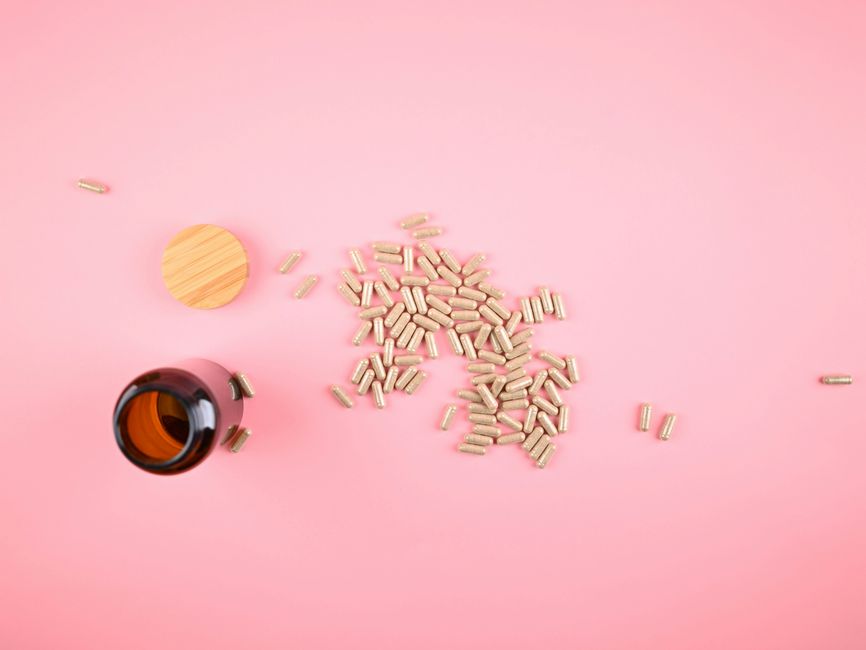
Getting vitamin d and the limits of sunlight right is less about willpower and more about setting up your day sensibly. The focus is on habits you can actually keep, not a short-lived push. Here is a grounded, practical look at vitamin d and the limits of sunlight that fits into a real, busy life.
Why this matters
It helps to remember that vitamin D occupies an unusual position among nutrients because the body can manufacture it, given sufficient sunlight on bare skin. That production depends on latitude, season, time of day, skin tone, age, and how much of the year is spent indoors — a list long enough that "just get some sun" is an incomplete answer for a great many most of us. A complete breakdown is available on phytomem one.
The goal is progress you can maintain, not perfection you have to chase and eventually abandon.
The basics, made simple
In practice, levels tend to fall in winter in northern regions, where the sun sits too low for months to drive the reaction at all. They also run lower in people who work indoors, who cover their skin, who have darker skin, and in older adults, whose skin converts less efficiently. None of this is unusual or alarming; it is simply the shape of the population.
It helps to focus on what you can realistically do most days, rather than an ideal you can only manage occasionally.
How it fits into daily life
Food contributes, but modestly. Oily fish, egg yolks, and fortified products supply some, and in most ordinary diets the total falls short of what sunlight would otherwise provide. This is the reason many public health bodies suggest a supplement during darker months rather than year round.
What tends to work
It helps to remember that the symptoms of a low level are famously vague — tiredness, aching, low mood — which makes self-diagnosis unreliable. Plenty of things produce those feelings. A blood test settles the question in a way that guesswork cannot, and it is the sensible step before taking anything at a high dose for a long period. For evidence-based detail, MedlinePlus (National Institutes of Health) offers helpful guidance.
Small changes that add up
The dose counts here more than with most nutrients, because vitamin D is stored rather than excreted, and very large amounts taken over months can cause harm. A modest daily amount through winter is a different proposition from a very high weekly dose taken indefinitely, and only one of them needs supervision.
Practical tips
Here are a few easy places to start:
- Protect your sleep, since it quietly makes everything else easier.
- Anchor a new habit to something you already do each day, like your morning coffee.
- Aim for good enough on busy days instead of skipping entirely.
- Notice what works for you personally, since everyone responds a little differently.
The bottom line
The best approach is the one you can keep going with. Keep it simple, be patient with yourself, and let small changes add up. That is usually all it takes.
Frequently asked questions
Is this suitable for busy people?
Yes. Most of the ideas here fold into things you already do each day, so they take little extra time.
How long before I notice a difference?
It varies from person to person. Give any new habit a few weeks of consistency before deciding whether it is working for you.
What is the single most important thing to focus on?
Consistency. A modest routine you actually keep beats an ambitious plan you abandon after a week.
Do I need special equipment or money?
No. Most of what helps is free or low-cost, and the simplest options are usually the ones people stick with.