 Livi
Livi Keeping Herbs And Botanicals: A Cautious Look Simple, Day by Day
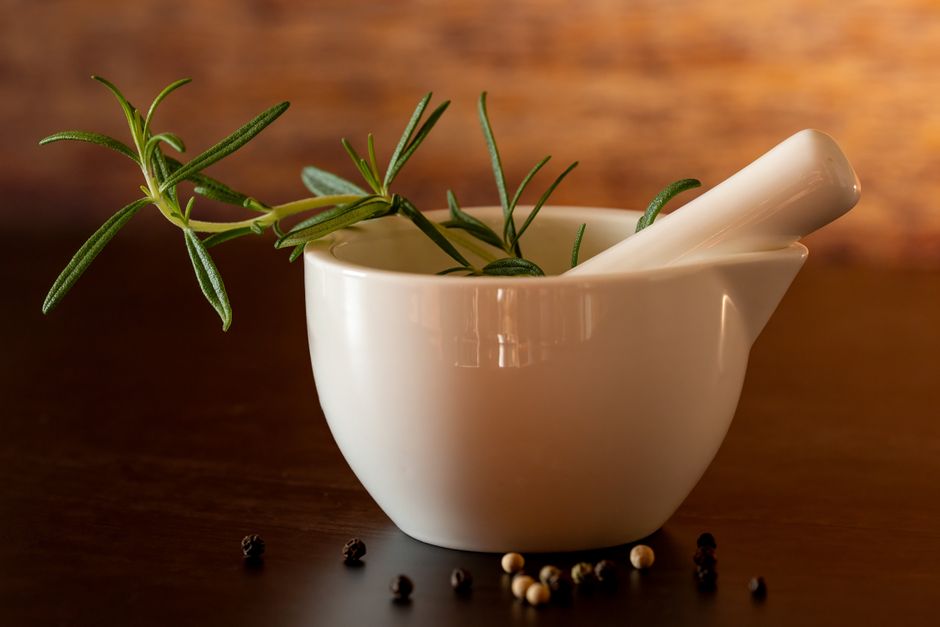
You do not need spare hours to make progress with herbs and botanicals: a cautious look; a few small moments in the day are enough. Think of it as gentle maintenance rather than a strict programme. The rest of this article walks through herbs and botanicals: a cautious look step by step, in plain language.
The time-poor reality
The word natural carries an implication of safety that the category does not support. A plant preparation strong enough to change how someone feels is strong enough to interact with medication, to affect the liver, or to be unwise in pregnancy. Several well-known botanicals do exactly that, and the interactions are not always predictable.
Quick wins that fit any schedule
More often than not, standardisation is the second difficulty. The concentration of active compounds in a plant varies with growing conditions, harvest, and processing, so two products with the same name on the label can differ substantially in strength. Extracts standardised to a stated compound are more consistent, which is why they cost more.
Habits that take seconds
Where the evidence is reasonable it tends to be specific and modest: a particular preparation, at a particular dose, for a particular complaint, with an effect that is real but not dramatic. Broad claims about detoxification, immunity, or general vitality are where the marketing outruns the research.
What matters most is fitting this around your real routine, so it becomes something you barely have to think about. For evidence-based detail, the NIH National Center for Complementary and Integrative Health offers helpful guidance.
Doing less, but consistently
The key point is that the practical position is neither dismissal nor enthusiasm. Tell a doctor or pharmacist what is being taken, particularly alongside prescribed medicine. Prefer products that state the plant part and the extract strength. And treat anything promising a large effect quickly with the scepticism that claim deserves. You can read the full details on colestzen.
Give yourself room to be imperfect here; a missed day is an event, not a reason to give up.
Protecting the little time you have
Plants have supplied medicine for as long as medicine has existed, and a substantial proportion of pharmaceutical compounds began as plant chemistry. That history is a reason to take botanicals seriously, and it is also a reason to treat them with the same caution as anything else that has an effect.
Practical tips
In everyday terms, this can look like:
- Start small and stay consistent rather than aiming for a dramatic change.
- Aim for good enough on busy days instead of skipping entirely.
- Notice what works for you personally, since everyone responds a little differently.
- Anchor a new habit to something you already do each day, like your morning coffee.
The bottom line
None of this needs to be perfect. Take it one small step at a time. Consistency, not intensity, is what makes the difference in the long run.
Frequently asked questions
Is this suitable for busy people?
Yes. Most of the ideas here fold into things you already do each day, so they take little extra time.
Is this relevant if I'm just starting out?
Yes. You can begin with one small change and build from there. With herbs and botanicals: a cautious look, steady progress beats trying to do everything at once.
How long before I notice a difference?
It varies from person to person. Give any new habit a few weeks of consistency before deciding whether it is working for you.
What is the single most important thing to focus on?
Consistency. A modest routine you actually keep beats an ambitious plan you abandon after a week.