 Livi
Livi Reading A Supplement Label: What Changes With Age
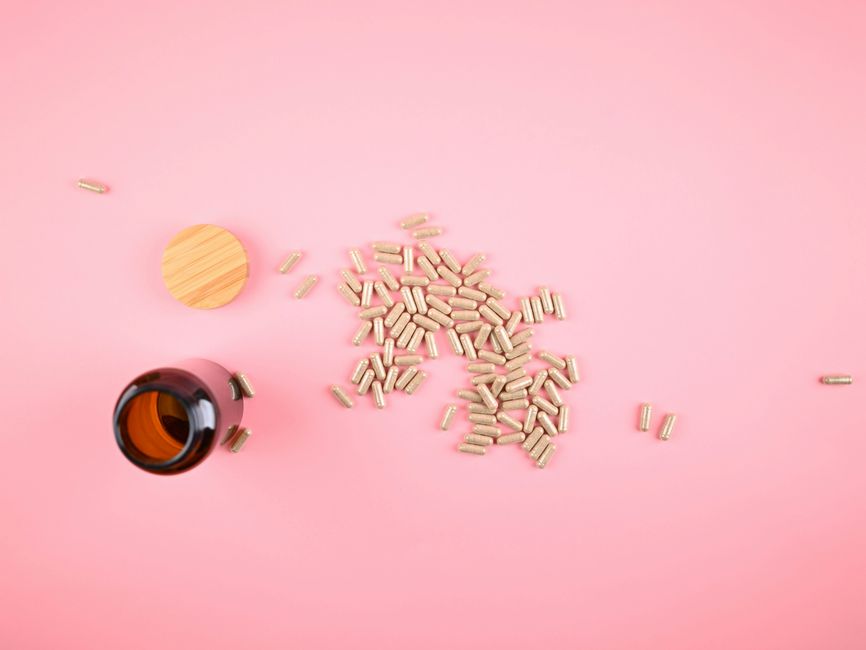
This is a straightforward, step-by-step take on reading a supplement label you can actually use. The focus is on habits you can actually keep, not a short-lived push. Here is a grounded, practical look at reading a supplement label that fits into a real, busy life.
The simple version
On a day-to-day level, a supplement label is a dense document written under commercial pressure, and reading it well takes about a minute. The first thing worth locating is the serving size, because every figure on the panel is expressed per serving, and a serving is usually two or three capsules rather than one. A bottle that looks generously priced can hold ten days of the stated dose.
Give yourself room to be imperfect here; a missed day is an event, not a reason to give up.
Step by step
Next comes the form of each ingredient, which is usually printed in brackets and generally skipped. Forms differ in how well the body absorbs them and in how they sit in the stomach. The difference is rarely dramatic, but it explains why two products with identical headline numbers can behave differently.
What matters most is fitting this around your real routine, so it becomes something you barely have to think about.
What to do first
More often than not, then there is the proprietary blend — a list of ingredients grouped under one total weight, so the amount of each is unknowable. A blend is not automatically a problem, but it removes the buyer's ability to judge whether any single component is present in a meaningful quantity. Where a blend appears, the useful assumption is that the cheapest ingredients dominate.
The practical takeaway is to keep reading a supplement label simple enough that it survives a busy week, not just a good one. Trusted resources such as MedlinePlus (National Institutes of Health) cover this in more depth.
What to keep doing
The percentage column deserves a second look too. It compares the dose to a general daily reference, not to a personal requirement, and a figure in the hundreds or thousands is a description rather than a recommendation. Very high percentages are common in marketing and are not evidence of a better product.
A quick self-check
Put simply, finally, look for third-party testing. Manufacturers are not required to prove that a bottle contains what the label claims, and independent verification is the only routine check on that gap. A seal from a recognised testing body is a small signal, but it is one of the few available.
None of this has to happen all at once; even one small adjustment in this area tends to pay off over time.
Practical tips
Some practical points to keep in mind:
- Notice what works for you personally, since everyone responds a little differently.
- Aim for good enough on busy days instead of skipping entirely.
- Keep the useful option easy to reach and the tempting one a little harder.
- Protect your sleep, since it quietly makes everything else easier.
The bottom line
Keep it simple, be patient with yourself, and let small changes add up. None of this needs to be perfect. A few steady habits, kept up over time, tend to do far more than any short-lived effort.
Frequently asked questions
What is the single most important thing to focus on?
Consistency. A modest routine you actually keep beats an ambitious plan you abandon after a week.
How long before I notice a difference?
It varies from person to person. Give any new habit a few weeks of consistency before deciding whether it is working for you.
Do I need special equipment or money?
No. Most of what helps is free or low-cost, and the simplest options are usually the ones people stick with.
Is this suitable for busy people?
Yes. Most of the ideas here fold into things you already do each day, so they take little extra time.