 Livi
Livi The Case for Iron, B12 And The Nutrients Worth Testing, Day by Day
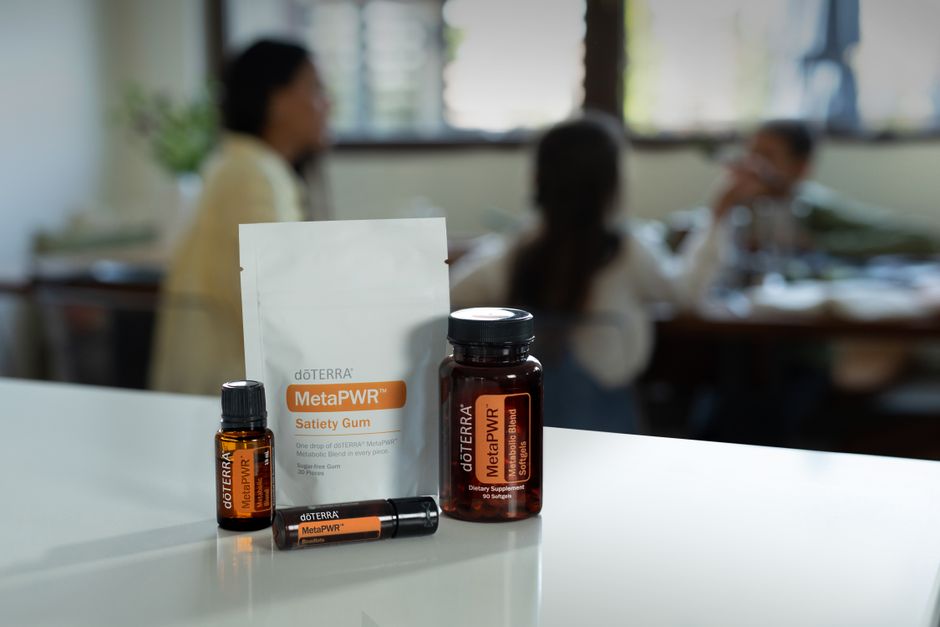
In midlife and beyond, iron, b12 and the nutrients worth testing deserves a little more attention than it did at twenty-five. Think of it as gentle maintenance rather than a strict programme. Let's look at what actually matters with iron, b12 and the nutrients worth testing, and what you can safely ignore.
Why it matters more now
On a day-to-day level, two practical notes make the rest easier. Vitamin C at the same meal improves iron absorption from plants, while tea and coffee alongside a meal reduce it. And a test result is worth keeping, because a single value means less than a direction over time.
What changes with age
Most nutrients do not need testing. A few do, because a shortfall is common, the symptoms are unspecific, and correcting it without knowing carries its own risk. Iron and vitamin B12 are the clearest examples of that group.
The practical takeaway is to keep iron, b12 and the nutrients worth testing simple enough that it survives a busy week, not just a good one.
Adjusting your approach
Low iron produces tiredness, breathlessness on stairs, pale skin, and poor concentration — a set of complaints so ordinary that they are typically attributed to a busy period. It is more common in people who menstruate heavily, in pregnancy, in endurance athletes, and in those eating little or no meat, since the iron in plants is absorbed less readily. You can read the full details on mitolyn official website.
What matters most is fitting this around your real routine, so it becomes something you barely have to think about. You can read more from MedlinePlus (National Institutes of Health).
Protecting your energy
The key point is that the reason to test rather than assume is that iron is not harmless in excess. The body has no efficient route for removing a surplus, and some many people carry a genetic tendency to absorb too much. Taking a supplement indefinitely on the strength of feeling tired is a poor trade.
Staying strong and steady
B12 sits differently. It is found almost exclusively in animal foods, so anyone eating a vegan diet needs a reliable source, and absorption also declines with age and with certain long-term medications. A deficiency that goes unnoticed for long enough can affect the nervous system in ways that do not fully reverse, which is why the threshold for checking should be low.
Practical tips
In everyday terms, this can look like:
- Notice what works for you personally, since everyone responds a little differently.
- Anchor a new habit to something you already do each day, like your morning coffee.
- Ask for a little support from someone around you when you can.
- Protect your sleep, since it quietly makes everything else easier.
The bottom line
The best approach is the one you can keep going with. Take it one small step at a time. Consistency, not intensity, is what makes the difference in the long run.
Frequently asked questions
Is this relevant if I'm just starting out?
Yes. You can begin with one small change and build from there. With iron, b12 and the nutrients worth testing, steady progress beats trying to do everything at once.
Is this suitable for busy people?
Yes. Most of the ideas here fold into things you already do each day, so they take little extra time.
Do I need special equipment or money?
No. Most of what helps is free or low-cost, and the simplest options are usually the ones people stick with.
How long before I notice a difference?
It varies from person to person. Give any new habit a few weeks of consistency before deciding whether it is working for you.