 Livi
Livi What Consistency Looks Like With Ultra-Processed Food, Without The Panic, Day by Day
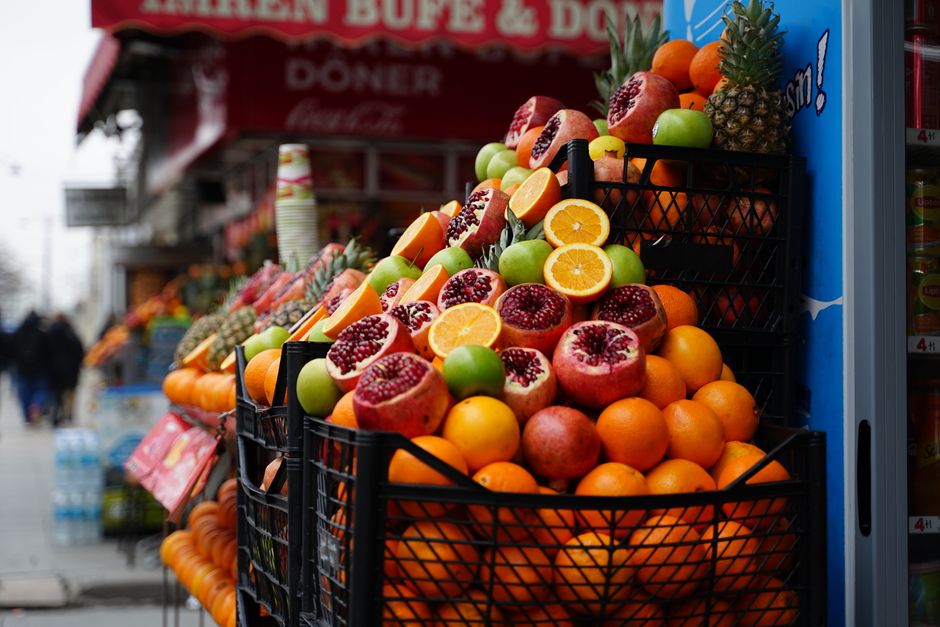
There is a lot of noise around ultra-processed food, without the panic, so this guide keeps things simple and practical. None of this is complicated, and none of it needs to be expensive. The rest of this article walks through ultra-processed food, without the panic step by step, in plain language.
Why this matters
The key point is that processing covers everything from washing and freezing to industrial formulation, and treating the whole range as one thing produces confusion. Tinned beans, frozen vegetables, and wholemeal bread are processed and useful. The category attracting concern is narrower: formulations built largely from refined ingredients and additives, designed to be cheap, durable, and very easy to eat.
If you remember only one thing here, let it be that steady, repeatable habits beat short bursts of effort.
The basics, made simple
The observed associations are consistent enough to take seriously, and the likely mechanisms are ordinary rather than sinister. These foods are energy dense, quick to eat, low in fibre, and engineered to be moreish, so many people tend to consume more before feeling full. That alone explains a great deal without invoking anything exotic.
How it fits into daily life
Worth keeping in mind: the realistic position is not elimination. These foods are cheap, convenient, and frequently the only practical option at certain moments, and a diet that forbids them tends to fail in a way that helps nobody. Shifting the proportion is the achievable goal. For evidence-based detail, MedlinePlus, from the U.S. National Institutes of Health offers helpful guidance.
What matters most is fitting this around your real routine, so it becomes something you barely have to think about.
What tends to work
It helps to remember that the most efficient shifts are few. Drinks are the largest single lever for many many people. Breakfast is the second, since it is the meal most frequently outsourced to a packet. Snacks are the third. Changing those three while leaving the rest alone moves the balance more than a wholesale reform that lasts a fortnight. More details are available on femicore official website.
Small changes that add up
It also helps to say plainly what this is not. Food is not a moral test, and a packaged meal at the end of a difficult day is a sensible use of a limited resource. The aim is a pattern that leans towards food that fills you up, not a rule that produces guilt.
Give yourself room to be imperfect here; a missed day is an event, not a reason to give up.
Practical tips
Here are a few easy places to start:
- Keep the useful option easy to reach and the tempting one a little harder.
- Start small and stay consistent rather than aiming for a dramatic change.
- Ask for a little support from someone around you when you can.
- Anchor a new habit to something you already do each day, like your morning coffee.
The bottom line
The best approach is the one you can keep going with. Take it one small step at a time. Consistency, not intensity, is what makes the difference in the long run.
Frequently asked questions
Is this suitable for busy people?
Yes. Most of the ideas here fold into things you already do each day, so they take little extra time.
What is the single most important thing to focus on?
Consistency. A modest routine you actually keep beats an ambitious plan you abandon after a week.
Is this relevant if I'm just starting out?
Yes. You can begin with one small change and build from there. With ultra-processed food, without the panic, steady progress beats trying to do everything at once.
How long before I notice a difference?
It varies from person to person. Give any new habit a few weeks of consistency before deciding whether it is working for you.