 Livi
Livi What Supplements Can And Cannot Do: A Second Look
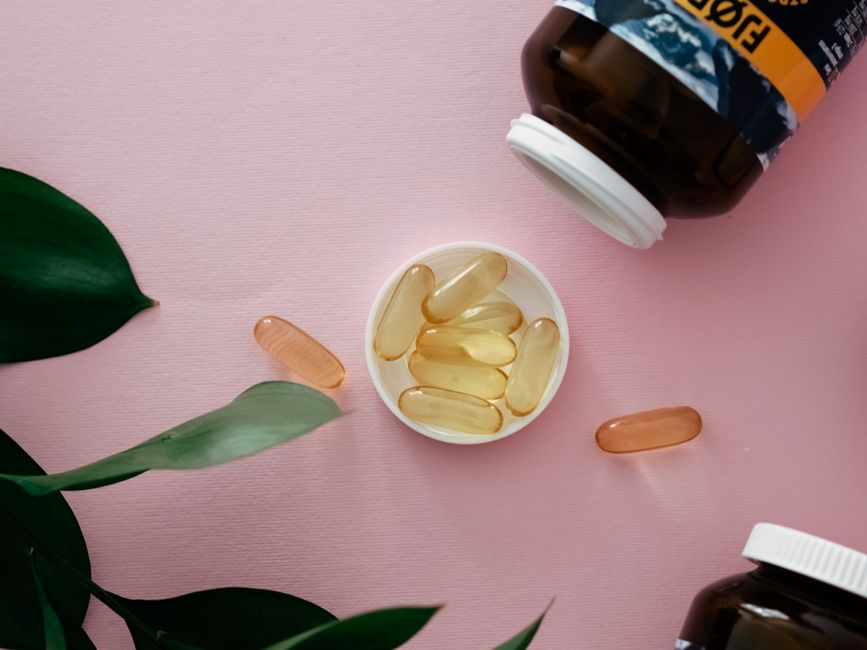
In midlife and beyond, what supplements can and cannot do deserves a little more attention than it did at twenty-five. The focus is on habits you can actually keep, not a short-lived push. Let's look at what actually matters with what supplements can and cannot do, and what you can safely ignore.
Why it matters more now
More often than not, outside those situations, the honest expectation is modest. Someone eating varied food, sleeping reasonably, and moving most days will rarely notice a supplement at all. That is not a failure of the product; it is what "sufficient" looks like from the inside.
It helps to focus on what you can realistically do most days, rather than an ideal you can only manage occasionally.
What changes with age
There is also the matter of dose and form. More is not reliably better, and several nutrients have an upper level beyond which the risk rises rather than the benefit. A sensible approach treats a supplement like any other decision about the body: identify the reason, keep the dose in a normal range, give it a fair trial, and stop if the reason no longer applies.
The practical takeaway is to keep what supplements can and cannot do simple enough that it survives a busy week, not just a good one.
Adjusting your approach
The key point is that a useful test before buying anything is to ask what would have to be true for it to help. If the answer involves a gap that food could close more easily, the food is usually the better purchase. If the answer involves a genuine shortfall, a supplement is a reasonable tool — one tool among several, with a job description rather than a promise. Trusted resources such as MedlinePlus (National Institutes of Health) cover this in more depth.
Small changes like these are easy to underestimate, yet they are exactly what add up over months and years.
Protecting your energy
A supplement is, by definition, an addition. The word carries a claim about its own limits: it supplements a diet rather than replacing one. Most disappointment with supplements begins where that distinction is ignored, when a capsule is asked to compensate for a pattern of eating, sleeping, or moving that has not changed.
Give yourself room to be imperfect here; a missed day is an event, not a reason to give up.
Staying strong and steady
Where supplements do earn their place is narrower and less exciting. They help when an intake is genuinely low and food alone is unlikely to close the gap: a nutrient that is scarce in a particular diet, a period of life with raised requirements, a condition that affects absorption. In those situations the effect can be real and measurable.
Practical tips
A few simple things tend to help:
- Protect your sleep, since it quietly makes everything else easier.
- Keep the useful option easy to reach and the tempting one a little harder.
- Give any change a few weeks before judging whether it is helping.
- Anchor a new habit to something you already do each day, like your morning coffee.
The bottom line
None of this needs to be perfect. The best approach is the one you can keep going with. Start where you are and build slowly from there.
Frequently asked questions
What is the single most important thing to focus on?
Consistency. A modest routine you actually keep beats an ambitious plan you abandon after a week.
Is this relevant if I'm just starting out?
Yes. You can begin with one small change and build from there. With what supplements can and cannot do, steady progress beats trying to do everything at once.
How long before I notice a difference?
It varies from person to person. Give any new habit a few weeks of consistency before deciding whether it is working for you.
Is this suitable for busy people?
Yes. Most of the ideas here fold into things you already do each day, so they take little extra time.